Surreal Torn Paper Face Sketch: A Graphic for Modern Mystique
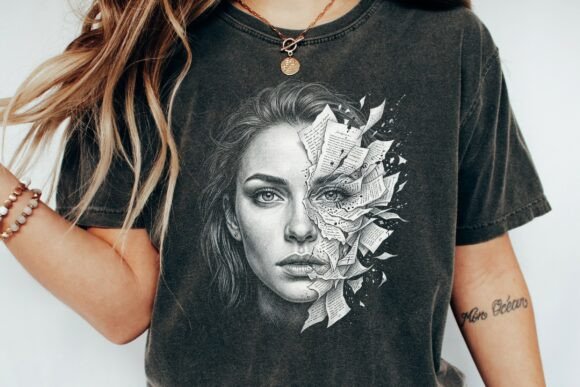
There's a certain power in an image that doesn't reveal everything at once. The Surreal Torn Paper Face Sketch is one such image. It's not just a graphic; it's a narrative. This monochrome sketch presents a woman's face, but its edges dissolve into the torn pages of text, creating a compelling fusion of human form and written word. It’s the kind of design asset that stops the scroll and invites a second look, making it a valuable tool for anyone looking to inject a layer of intellectual depth and artistic intrigue into their work.
The Anatomy of an Evocative Design Asset
At its core, the visual is built on contrast and connection. The sharp, precise lines of a realistic portrait meet the chaotic, fibrous edges of torn paper. This isn't a clean, digital cutout; it's a texture that feels tangible, as if you could reach out and feel the paper's grain. The monochrome palette strips away distraction, focusing attention on form, shadow, and the interplay between the solid face and the fragmented text. The personality it conveys is one of thoughtful mystery—introspective, literary, and slightly haunting. It speaks to themes of identity, memory, and the stories that shape us, making it far more than a simple decorative element.
Where This Graphic Truly Shines
Understanding an asset's ideal context is key to using it effectively. The strength of the Surreal Torn Paper Face Sketch lies in its versatility across both personal and commercial projects, provided the tone aligns with its inherent mood.
Branding and Marketing with Depth
For brands that position themselves as thoughtful, creative, or artisanal, this graphic is a natural fit. Imagine it as the central hero image for a boutique publisher's website, or as the logo mark for an independent bookshop or a consultancy specializing in creative strategy. It immediately communicates a brand identity rooted in intelligence and nuance. In marketing, it works exceptionally well for social media graphics promoting a new novel, an art exhibition, or a thought-provoking podcast. It’s not suited for a fast-food chain, but for a brand that values storytelling, it’s a perfect visual anchor.
Editorial and Publishing Projects
This is where the graphic feels most at home. Used in editorial design, it can set the tone for a magazine feature on surrealism, a book cover for psychological fiction, or an article exploring the intersection of art and psychology. The torn text element subtly reinforces the literary theme without being literal. For content creators and bloggers, it can serve as a powerful featured image for posts on creative writing, design theory, or personal essays, instantly elevating the perceived quality and sophistication of the content.
Crafting and Physical Products
The provided file's high resolution and transparent background make it a practical design asset for physical products. For crafters using machines like Cricut or Silhouette, it can be applied to a range of items. Think of a striking, oversized print on a tote bag for a literary festival, a unique decal on a ceramic mug for a writer, or the centerpiece of a framed art print. On apparel, it works best on t-shirts or sweatshirts where the design can be appreciated as art, rather than just a logo. The monochrome scheme ensures it pairs well with any color garment.
Practical Guidance for Integration
Adding a powerful graphic like this to your toolkit is the first step. Using it effectively is the next. Here’s how to think about integrating it into your projects.
Evaluating Project Fit and Tone
Before you place the image, ask yourself: does the mood of my project match the mood of this graphic? It conveys mystery and intellect. If your project is bright, playful, or straightforwardly corporate, this might create a disconnect. It’s a creative font in visual form—best for projects that have a distinct personality. Always consider your audience. For adults aged 20–50 with an appreciation for art and literature, the connection is often immediate and positive.
Pairing with Typography and Color
The monochrome sketch demands thoughtful pairing. Avoid competing with it. A clean, elegant sans serif font for body text can provide excellent readability and let the graphic breathe. For headlines, a classic serif font can enhance the literary feel, while a simple script font might add a touch of personal flair if used sparingly. Keep your color palette limited. Let the black, white, and grays of the sketch dominate, using a single accent color for text or UI elements if needed. This approach ensures the graphic remains the focal point and supports a cohesive brand identity.
Leveraging the File for Maximum Impact
The asset is delivered as a single, high-resolution PNG with a transparent background. This format is incredibly versatile. It allows you to layer the face over different colored backgrounds, textured surfaces, or other design elements without a clumsy white box around it. For digital projects, this means seamless integration into website banners, social media posts, and presentations. For print, it ensures crisp, professional results on everything from business cards to large-format posters. Remember, you're not just getting an image; you're getting a flexible component for your modern typography and visual design toolkit.
Ultimately, the Surreal Torn Paper Face Sketch is a piece of visual storytelling. It offers a way to communicate complex ideas about creativity and identity without saying a word. By understanding its strengths and applying it thoughtfully, you can transform a simple project into something memorable and resonant, proving that the right graphic can be as impactful as any well-chosen typeface.